
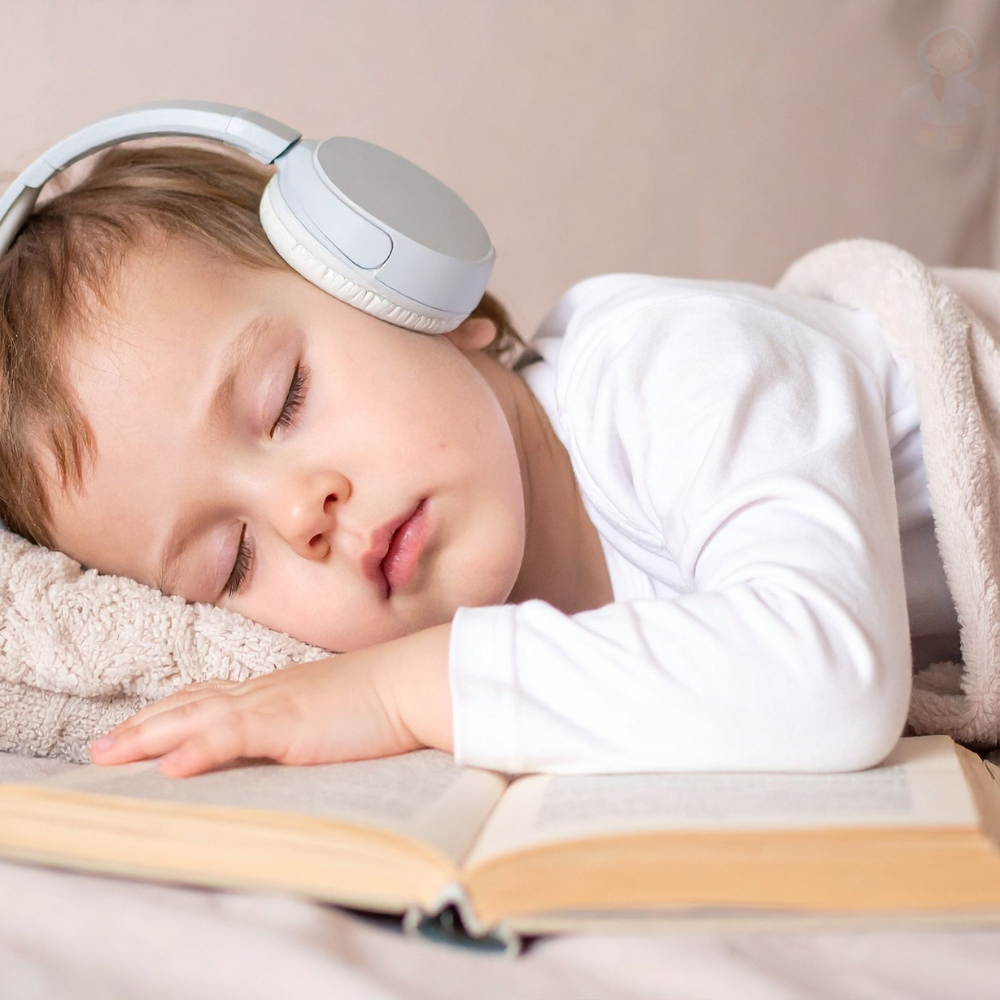
Illness can disrupt a child’s sleep routine quickly. Fever, congestion, discomfort, and extra nighttime waking often lead to irregular sleep patterns. Even after recovery, many children struggle to return to their normal rhythm. At Children House, restoring sleep after illness focuses on gentle structure, emotional reassurance, and gradual consistency.
Rebuilding Predictable Routines
During illness, routines often become flexible to prioritize comfort. After recovery, Children House gradually reintroduces consistent sleep schedules:
Regular nap times
Calm pre-sleep routines
Predictable bedtime
Consistent wake-up times
Children feel safer when routines return.
Creating a Calm Environment
After illness, children may feel physically better but emotionally unsettled. A quiet, organized environment helps reestablish security. Soft lighting, minimal stimulation, and familiar surroundings promote relaxation.
A prepared environment supports a prepared mind.
Supporting Emotional Reassurance
Illness can increase nighttime anxiety or separation concerns. Teachers and caregivers provide gentle reassurance without creating new sleep dependencies. Calm voices, brief comfort, and steady presence help children regain confidence in sleeping independently.
Gradual Adjustment of Sleep Patterns
If sleep times shifted during illness, changes are made gradually rather than abruptly. Small adjustments—such as moving bedtime earlier by 10–15 minutes—help reset the body clock without stress.
Encouraging Daytime Regulation
Healthy daytime routines support nighttime sleep. Children House emphasizes:
Light physical activity
Outdoor time
Structured work periods
Limited overstimulation
Balanced daytime engagement improves nighttime rest.
Monitoring Residual Symptoms
Sometimes lingering congestion or fatigue affects sleep. Caregivers remain attentive to physical needs and ensure the child is fully recovered before expecting full routine restoration.
Maintaining Consistency at Home and School
Communication between school and parents ensures consistent expectations. When routines align across environments, sleep recovery happens more smoothly.
Conclusion
Restoring sleep after illness requires patience and consistency. At Children House, calm structure, emotional reassurance, and gradual adjustments help children return to healthy sleep rhythms. By rebuilding predictable routines and maintaining a peaceful environment, children regain both physical rest and emotional security—allowing them to fully return to learning and growth.